Materials and Techniques

The foundation of exceptional handmade decor lies in the quality of materials and the skill of execution. At dryxaloneichrali, we honor both.
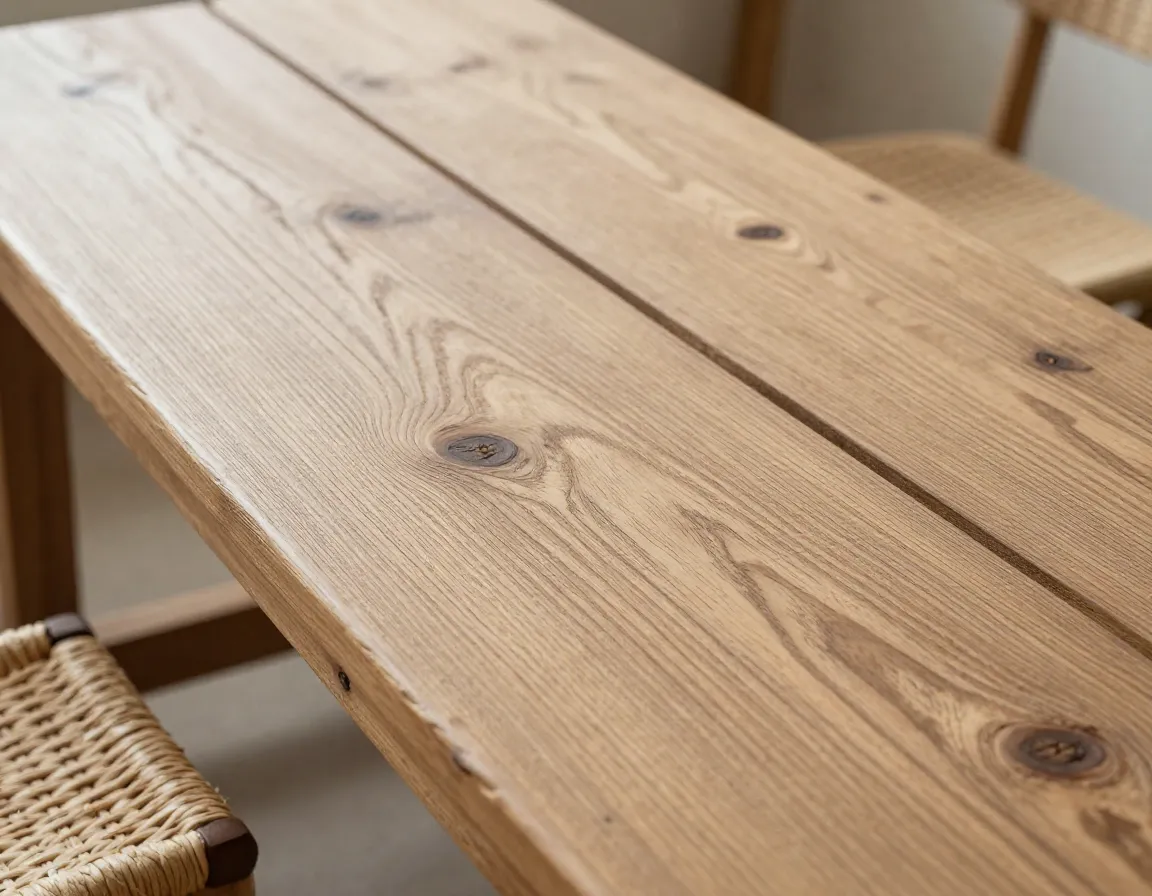
Natural Materials

Our Material Philosophy

We believe materials should be chosen with intention. Every wood grain, fiber texture, and clay body brings its own character to the finished piece.

Our commitment to sustainability means we prioritize reclaimed, renewable, and responsibly sourced materials. This approach not only benefits the environment but also adds depth and history to each creation.

Natural materials age gracefully, developing patina and character over time rather than deteriorating. This is the essence of lasting quality.

Primary Materials

Reclaimed Wood

Sourced from old barns, fences, and structures. Each piece carries decades of weathering and unique grain patterns.

Natural Fibers

Organic cotton, jute, and wool. Hand-selected for texture, durability, and sustainable cultivation practices.

Clay and Ceramics

High-fire stoneware and earthenware. Glazed with non-toxic, food-safe formulations in earthy, natural tones.

Metal Accents

Copper, brass, and iron. Used sparingly for structural support and visual contrast, often with natural patina.

Traditional Techniques

Woodworking

Our woodworking process begins with careful selection and preparation. Each board is inspected for structural integrity and visual appeal.

We use hand tools alongside modern equipment, allowing for precision while maintaining the tactile connection between artisan and material. Joinery techniques include mortise and tenon, dovetails, and traditional wood pegs.

Finishing involves multiple stages of sanding, staining with natural oils, and sealing with low-VOC products that enhance rather than obscure the wood's natural beauty.

Fiber Arts

Weaving, macramé, and textile manipulation are core skills in our workshop. These techniques require patience and precision, as each knot and thread contributes to the overall structure.

We work on traditional looms and frames, creating pieces that range from tightly woven tapestries to loose, organic wall hangings. Natural dyes are used when color is desired, ensuring environmental safety.

The result is textile art that feels both contemporary and rooted in centuries-old craft traditions.

The Ceramic Process

Creating ceramic pieces involves multiple stages, each requiring specific skills and timing. Clay is first wedged to remove air bubbles, then shaped through hand-building or wheel-throwing techniques.

After initial shaping, pieces undergo a slow drying process to prevent cracking. The first firing, called bisque firing, hardens the clay and prepares it for glazing.

Glazes are applied by hand, often in multiple layers to achieve depth and variation. The final firing reaches temperatures between 2200-2400°F, fusing the glaze to the clay body and creating a durable, glass-like surface.

This process cannot be rushed. Each stage requires attention and respect for the material's natural behavior.

Quality Control

Inspection Standards

Every piece undergoes rigorous inspection before leaving our workshop. We check for structural integrity, finish quality, and overall aesthetic coherence.

Minor imperfections that occur naturally in handmade work are celebrated as marks of authenticity, but any flaws that compromise function or durability are addressed.

Artisan Signatures

Each piece is signed by the artisan who created it. This signature represents pride in workmanship and accountability for quality.

We maintain detailed records of materials used and techniques applied, ensuring transparency and traceability for every item we produce.

Sustainability Commitment

Waste Reduction

Scraps and offcuts are repurposed into smaller pieces or composted when biodegradable.

Water Conservation

Our ceramic studio uses recirculating water systems to minimize waste during clay processing.

Energy Efficiency

Kilns are fired in batches to maximize efficiency, and our workshop uses LED lighting throughout.

Eco Packaging

Shipping materials are recyclable or biodegradable, and we encourage customers to reuse packaging.

Learn More

Interested in seeing these techniques in action? Visit our workshop or reach out with questions.

Contact Us